Types of Dinosaurs with Names and Pictures
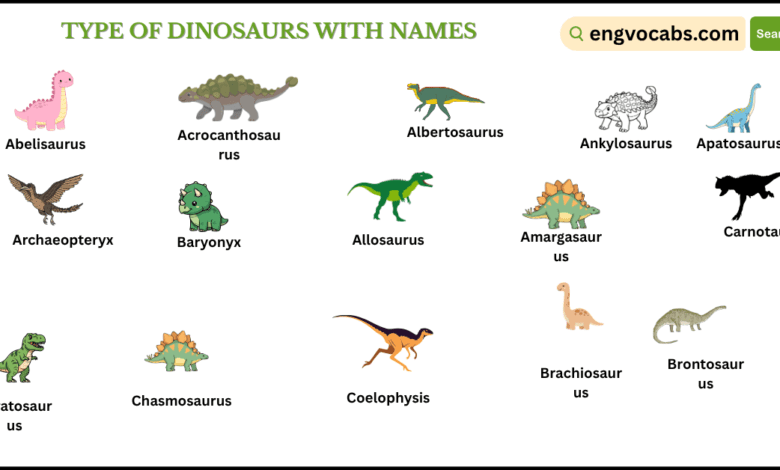
Welcome to the Active Wild dinosaur list. This page provides dinosaur names with pictures and detailed information. It helps you learn about different dinosaurs that lived during the Mesozoic Era and functions like an online dinosaur museum, allowing you to explore and discover more about each dinosaur. It is very interesting to learn about all these types of dinosaurs.
About 300 valid dinosaur genera and around 700 species have been discovered and named. However, the fossil record is incomplete, so many dinosaurs that existed have not yet been found. This is because rocks from some time periods are rare, making fossils harder to discover. For example, more Late Cretaceous dinosaurs are known than Middle Jurassic ones because Late Cretaceous rocks are more widespread.
In this article, you will learn about all the types of dinosaurs with their names and explanations, but to learn them, you must go through all the articles below.
What Is a Dinosaur?
The word “dinosaur” means “terrible lizard.” It was named by British scientist Richard Owen, who studied fossils and realised they belonged to a new group of animals. He created the name from Greek words: deinos (terrible) and sauros (lizard).
Introduction of Dinosaur
Dinosaurs are prehistoric reptiles that lived about 245 million years ago, and modern birds are their living descendants. Non-avian dinosaurs are now extinct and varied greatly in size, from chicken-sized to over 120 feet long. They lived on land, with meat-eaters walking on two legs and plant-eaters on two or four legs.
Dinosaurs are often named after the place where they were found, their special features, or their type. Their names usually describe something important about them, such as appearance, behaviour, or discovery location.
Types of Dinosaurs: Names with Pictures
Abelisaurus
Abelisaurus was a meat-eating dinosaur from the Late Cretaceous Period, and it is linked with carnivorous dinosaurs. It was a medium-sized, bipedal dinosaur about 7–9 meters long with limited fossils. Scientists know about it from a single incomplete skull, which helped them estimate its size, diet, and lifestyle, and they know that it is a strong predator. This process is part of palaeontology, the study of prehistoric life, and this study helps a lot to learn about it.
Acrocanthosaurus
Acrocanthosaurus was one of the top predators of its time and has six tonnes of weight.. It had strong jaws and sharp teeth for hunting other dinosaurs; compared to others, it had sharper teeth. Its most unique feature was a high ridge or spine along its back, which may have supported a hump used for fat storage, temperature control, or display.
It is now recognised as a part of the Carcharodontosaurus family, and its diet consists of other dinosaurs, including Hadrosaurus, Tenontosaurus and Sauropods.
Type: Theropod (meat-eating dinosaur)
Period: Early Cretaceous (about 110 million years ago)
Location: North America (Oklahoma, Texas, Wyoming)
Length: Up to 38 feet (11.5 meters)
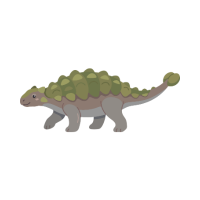
Albertosaurus
Albertosaurus was a fast, meat-eating dinosaur and a member of the small cousin of the Tyrannosauridae family. It is a powerful carnivore that walked on two legs, had small arms, and strong jaws with rows of razor-sharp teeth. It had crests above its eyes and eyes on the sides of its head, and it has a 4-tonne weight. It was likely one of the top predators of its ecosystem.
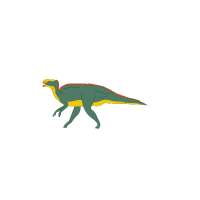
Discovery
Albertosaurus was named after Alberta, Canada, where its first fossils were found in the Horseshoe Canyon Formation. A partial skull was discovered in 1884 by Joseph B. Tyrrell, and another fossil was found in 1889 by Thomas Chesmer Weston. In 1905, palaeontologist Henry Fairfield Osborn officially named it as a new dinosaur species.
Other research shows
It lived about 70 million years ago and lived with other dinosaurs like Saurolophus, Edmontosaurus and Troodon.
Type: Theropod (related to Tyrannosaurus)
Period: Late Cretaceous
Location: Western North America (Alberta, Canada)
Length: About 9 meters (30 feet)
Allosaurus
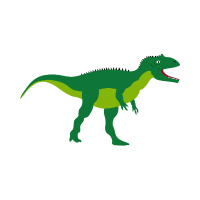
Allosaurus was one of the largest, intimidating, carnivorous and top predators of the late Jurassic Period. It had strong jaws and rows of sharp serrated teeth for hunting large dinosaurs like Stegosaurus and possibly huge sauropods such as Diplodocus and Apatosaurus, but it was a fearsome dinosaur that roamed the earth.
It has two and a half tonnes of weight and a long tail that helps in maintaining balance while walking.
Discovery
Allosaurus was first discovered in 1877 by Othniel Charles Marsh in Colorado. He named it Allosaurus, meaning “different lizard,” because its bones were unusual. In 1879, more fossils were found by H. F. Hubbell, and a near-complete skeleton was recognised in 1908. Today, Allosaurus is one of the most commonly found dinosaur fossils.
Type: Theropod (meat-eating dinosaur)
Period: Late Jurassic
Location: North America, Europe, possibly Africa
Length: About 8.5–12 meters (28–39 feet)
Weight: Around 2–5 metric tonnes
Amargasaurus
Amargasaurus was a long-necked plant-eating dinosaur with a small head and a long tail. Its most unique feature was a double row of long spines on its neck and back, possibly used for display, temperature control, or protection, and it linked with the sauropod group.
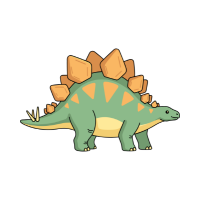
Type: Sauropod (plant-eating dinosaur)
Period: Early Cretaceous (about 125 million years ago)
Location: Argentina
Length: About 10 meters (33 feet
Ankylosaurus
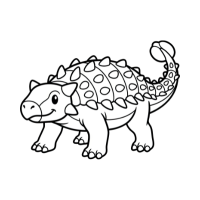
Ankylosaurus belonged to a group called Ankylosauria, meaning “fused lizard,” because of its strong, joined armour plates, and it is reminiscent of mammalian armadillos and their relatives, the glyptodonts
It was part of the larger armoured reptilian tanks of the cretaceous dinosaur group Thyreophora, which also included dinosaurs like Stegosaurus, and it lived around 70m years ago during the Late Cretaceous period..
Ankylosaurus had heavy body armour and a powerful bony tail club used to defend itself from predators. It was one of the most well-protected dinosaurs of its time.
Due to its large stomach, it can digest about 60kg of ferns and shrubs every day.
Discovery
Ankylosaurus was discovered in the Hell Creek Formation, Montana, by Barnum Brown, also known as “Mr Bones.”
Earlier, Brown had discovered Tyrannosaurus rex. In 1900, he found armour plates (osteoderms) but mistakenly thought they belonged to T. rex.
Later discoveries in Canada (1910) included a complete Ankylosaurus skull, giving scientists more information about this armoured dinosaur.
Type: Armoured herbivorous dinosaur
Period: Late Cretaceous
Where Found: North America
Length: About 6–10 meters (20–33 feet)
Weight: Around 5 metric tonnes
Apatosaurus
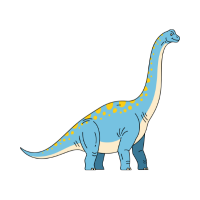
Apatosaurus was a huge, long-necked dinosaur, which means deceptive lizard that ate plants and tall trees to grow its massive body. It may have used its long, strong tail to defend itself from predators by producing loud bangs.
Its scientific name is Brontosaurus, which means thunder lizard
Discovery
Apatosaurus was discovered in 1877 by Othniel Charles Marsh in the Rocky Mountains. Its name means “deceptive lizard” because Marsh first thought its bones belonged to an aquatic reptile.
Type: Sauropod (large plant-eater)
Period: Late Jurassic
Where Found: North America
Length: About 21–23 meters (70–75 feet)
Weight: 20–30 metric tonnes
Archaeopteryx
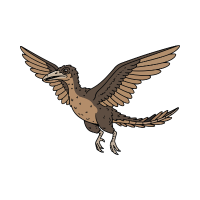
Archaeopteryx looked like a mix of a small dinosaur and a bird, which creates a different look. It had teeth and a long bony tail like a dinosaur, but feathered wings like a bird. It may have been able to fly or glide and attack other dinosaurs.
It is considered an important link between dinosaurs and modern birds, and many scientists now believe that birds are actually living dinosaurs.
Type: Transitional fossil between non-avian dinosaurs and birds
Period: Late Jurassic
Where Found: Southern Germany
Length: About 0.5 meters (1.6 feet)
Argentinosaurus
Argentinosaurus was one of the largest and most massive land animals ever. It had a huge body, a very long neck and tail, and a small head with four legs. It moved slowly and ate large amounts of plants to support its enormous size.
Type: Sauropod (giant plant-eater)
Period: Late Cretaceous (94–97 million years ago)
Where Found: Argentina
Length: Up to 30 meters (100 feet)
Baryonyx
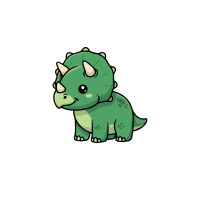
Baryonyx was a bipedal, fish-eating dinosaur with a long, narrow tooth-filled snout similar to a gharial.
It was discovered in 1983 by amateur fossil hunter William J. Walker. Scientists later named it Baryonyx walkeri in his honour after finding most of its skeleton.
Type: Theropod (spinosaurid)
Period: Early Cretaceous
Where Found: England and Spain
Length: About 7.5–10 meters (25–33 feet)
Brachiosaurus
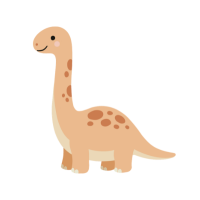
Brachiosaurus was one of the largest land animals ever. Its name means “arm lizard.” Unlike other sauropods, it had longer front legs than back legs, giving it a tall, giraffe-like posture for reaching high vegetation. But its forelimbs joined its shoulders very easily.
Type: Sauropod (giant plant-eater)
Period: Late Jurassic
Where Found: North America and Africa
Length: About 18–26 meters (59–85 feet)
Weight: 30–50 metric tonnes
Brontosaurus
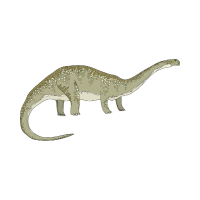
Brontosaurus, meaning “thunder lizard,” was a huge dinosaur with a long neck and tail. It ate plants and likely moved in herds. It is one of the most iconic dinosaurs.
For many years, it was grouped with Apatosaurus, but in 2015, scientists confirmed it as a separate genus. Despite its great size, it had a relatively small brain.
Type: Sauropod (plant-eater)
Period: Late Jurassic (155–152 million years ago)
Where Found: North America (mainly the Morrison Formation)
Length: Up to 22 meters (72 feet)
Carnotaurus
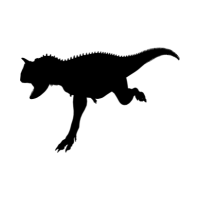
Carnotaurus was a fast-moving, two-legged predator with distinctive bull-like horns on its head. Its name means “meat-eating bull.” Its weight is about 1.35 metric tonnes.
Type: Theropod (carnivore)
Period: Late Cretaceous
Where Found: Argentina
Length: About 7.5–9 meters (25–30 feet)
Weight: ~1.35 metric tonnes
Ceratosaurus
Ceratosaurus had a large nasal horn and two smaller horns above its eyes. It was a slender, sharp-toothed predator with a long tail, likely occupying a different ecological niche than other large theropods.
Type: Theropod (carnivore)
Period: Late Jurassic (~150 million years ago)
Where Found: North America and possibly Portugal
Length: About 5.5–6 meters (18–20 feet)
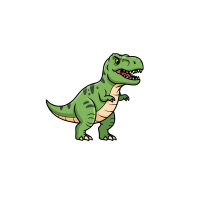
Chasmosaurus
Chasmosaurus had a large frill with holes and long brow horns. It walked on four legs and had a beak-like mouth for eating plants. Its frill was likely used for display or defence.
Type: Ceratopsian (herbivore)
Period: Late Cretaceous (75–76 million years ago)
Where Found: North America (Canada)
Length: Up to 4.8 meters (16 feet)
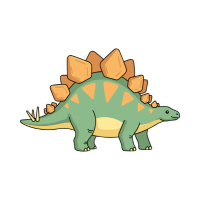
Coelophysis
It was a light, agile, 8 to 10-foot-long dinosaur and was one of the earliest known dinosaurs. It was small and fast, and may have hunted in packs.
Type: Theropod (carnivore)
Period: Late Triassic
Where Found: Southwestern United States (especially New Mexico)
Length: About 3 meters (10 feet)
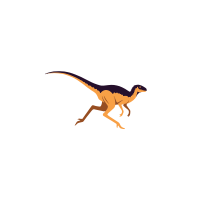
Compsognathus
Compsognathus was a tiny, bird-like bipedal predator. Only two specimens have been discovered—one in Germany (mid-1800s) and one in France (1971). It was once considered one of the smallest dinosaurs and was famous for many several years.
Type: Theropod (small carnivore)
Period: Late Jurassic
Where Found: Germany and France
Length: About 1 meter (3.3 feet)
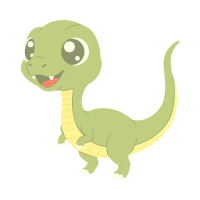
Deinonychus
Deinonychus, meaning “terrible claw,” had a deadly claw on each foot, was of a small size and was a voracious meat-eater. It was fast, agile, and an effective predator, with long forelimbs and powerful clawed hands.
It is about 7 feet long and belongs to a group of theropod dinosaurs called maniraptors, which means “hand-robber.”
Type: Theropod (dromaeosaurid, carnivore)
Period: Early Cretaceous
Where Found: Western North America
Length: About 3.4 meters (11 feet)
Weight: ~80 kg (176 lb)
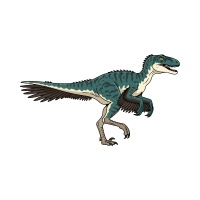
Dilophosaurus
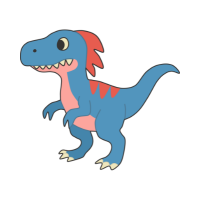
Dilophosaurus was a theropod dinosaur and a genus of large carnivorous dinosaur from the Early Jurassic period (about 193 million years ago). It lived in North America, especially Arizona, and grew about 20 feet (6 meters) long due to which
It can move at high speed. It is known for the two crests on its skull and was likely a fast, agile predator and the crests are used to attract mates for reproduction. There is no scientific evidence that it could spit venom.
Discovery
The first Dilophosaurus fossils were discovered in 1940 in Arizona by Charles L. Camp. At first, it was wrongly classified as Megalosaurus. In 1970, Samuel P. Welles correctly identified it as a new genus after realising that certain bones were actually skull crests, a unique feature not previously known in theropods.
- Type of dinosaur: Theropod
- Period: Early Jurassic (around 193 million years ago)
- Where found: North America (Arizona)
- Length: About 20 feet (6 meters)
Diplodocus
Diplodocus was a giant sauropod dinosaur with a low and slender skull from the Late Jurassic period. It lived in North America and grew about 25 metres (82 feet) long, and the snout is broad and blunt. This four-legged plant-eater had a long neck and a whip-like tail, and may have used its tail like a whip for defence. It weighed around 10–26 metric tonnes.
- Type of dinosaur: Sauropod
- Period: Late Jurassic
- Where found: North America
- Length: Around 25 meters (82 feet)
Edmontosaurus
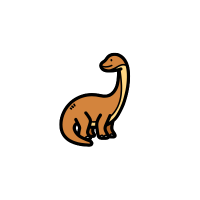
Edmontosaurus was a large duck-billed, plant-eating dinosaur with a 30m long skull from the Late Cretaceous period. It lived in North America and had complex tooth arrangements. It usually walked on its two hind legs but moved on all four while grazing. Fossils show it lived in herds and fed on plants.
- Type of dinosaur: Hadrosaurid (duck-billed dinosaur)
- Period: Late Cretaceous
- Where found: North America
- Length: Approximately 9-12 meters (30-40 feet)
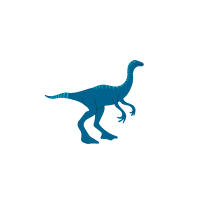
Gallimimus
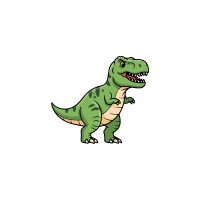
Gallimimus was a fast, ostrich-like dinosaur from the Late Cretaceous period (about 70 million years ago) and it is a very strong dinosaur. It lived in Mongolia and grew up to 20 feet (6 meters) long with a lightweight body and hollow bones. It had powerful, long legs, large eyes, a long neck, and a toothless beak with a small head. It was likely an omnivore, eating plants, reptiles, small insects, and tiny animals.
- Type of dinosaur: Ornithomimid
- Period: Late Cretaceous (around 70 million years ago)
- Where found: Mongolia
- Length: Up to 20 feet (6 meters)
Giganotosaurus
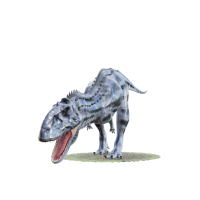
Giganotosaurus means “giant southern lizard.” It has a massive skull with a huge two-legged predator from the Late Cretaceous period and was even larger than Tyrannosaurus. It lived in South America, grew about 16 meters (52 feet) long, weighed around 8 metric tonnes and was a meat-eating dinosaur. It likely had strong senses of sight and smell.
- Type of dinosaur: Theropod
- Period: Late Cretaceous
- Where found: Argentina
- Length: About 12-13 meters (40-43 feet)
Gorgosaurus
Gorgosaurus means “dreadful lizard,” and is a fierce predator. It was a large meat-eating dinosaur with a huge skull and sharp serrated teeth. These teeth are used to slice prey and are a close relative of Tyrannosaurus. Gorgosaurus lived during the Late Cretaceous period and was found in North America, including the United States and Canada.
- Type of dinosaur: Theropod, tyrannosaurid
- Period: Late Cretaceous
- Where found: North America
- Length: Around 8-9 meters (26-30 feet)
Hypsilophodon
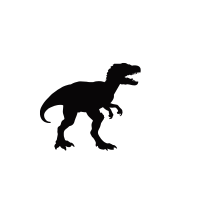
Hypsilophodon was a small, fast plant-eating dinosaur that lived during the Early Cretaceous period. Its name means “high-ridged tooth.”
It was found in England and grew about 2 meters (6.5 feet) long. Hypsilophodon had:
- A lightweight body built for speed
- Long hind legs for running
- A beak and cheek teeth for eating plants
Iguanodon
Iguanodon was the second dinosaur ever named, and it is a large genus of herbivorous dinosaur. Its first fossil, a tooth, was discovered in England by the wife of Gideon Mantell, and its weight is about 3.2 tonnes.
Mantell named it Iguanodon because the tooth looked like that of an iguana, and these teeth are flat and broad to chew easily. There are many spikes on the thumb to protect from predators.
- Type of dinosaur: Ornithopodes
- Period: Early Cretaceous
- Where found: Europe, primarily Belgium and the UK, but also found in other parts of the world
- Length: About 10 meters (33 feet)
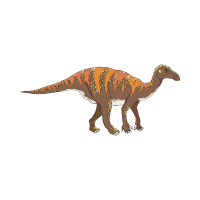
Leaellynasaura
Leaellynasaura was a small bipedal plant-eating dinosaur, about 1 meter (3 ft.) long, discovered in Dinosaur Cove and lived 110 million years ago. It lived during the Early Cretaceous period and may have been fully feathered. The fossils of these dinosaurs were found in the most famous place, which is located in Southern Australia, known as Dinosaur Cove.
- Type of dinosaur: Small ornithopod
- Period: Early Cretaceous
- Where found: Australia
- Length: Approximately 2 meters (6.5 feet)
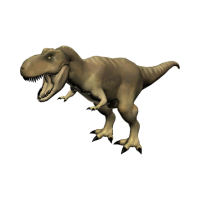
Megalosaurus
Megalosaurus was the first dinosaur ever named due to its important role in the history of planetology, discovered in England in 1824 by William Buckland. Its name means “great lizard.” It was a great carnivorous theropod dinosaur.
It lived during the Middle Jurassic Period, grew about 9 metres (30 ft.) long, weighed around 1 metric tonne and hunted very small animals. Megalosaurus was a bipedal meat-eating predator that walked on two legs with sharp claws and teeth.
- Type of dinosaur: Theropod
- Period: Middle Jurassic
- Where found: England
- Length: Around 6 meters (20 feet)
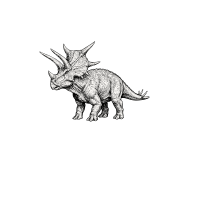
Minmi
Minmi was a small, heavily armoured plant-eating dinosaur from the Ankylosauria family. Its body, even the underside, was covered with bony plates for protection, and these plates were named osteoderms.
Fossils of Minmi were discovered in Australia, and it lived during the Early Cretaceous Period. Unlike many ankylosaurs, it had longer and slender legs, which may have helped it move faster despite its heavy armour and in this way, it becomes more agile and faster.
- Type of dinosaur: Armoured herbivore, ankylosaurian
- Period: Early Cretaceous
- Where found: Australia
- Length: Approximately 3 meters (10 feet)
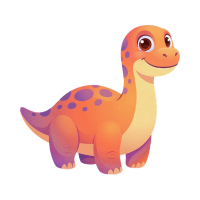
Ornithomimus
Ornithomimus was an ostrich-like dinosaur with long legs and a long neck and lived about 76 to 77 million years ago, about 3.5 metres (11.5 ft.) long. It could run very fast due to its bird-like features, possibly reaching over 40 mph (64 km/h).
Its name means “bird mimic” because of its bird-like feet. Fossils also show that Ornithomimus likely had feathers and a toothless beak.
- Type of dinosaur: Theropod, ornithomimid
- Period: Late Cretaceous
- Where found: North America
- Length: About 3.5-4 meters (11-13 feet)
Parasaurolophus
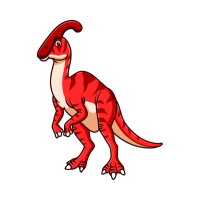
Parasaurolophus was a plant-eating dinosaur that lived 73 to 76 million years ago during the Late Cretaceous Period. It was about 10 metres (33 ft.) long and weighed around 3.5 metric tonnes, and it had a strong tail and powerful hind legs.
It had a long, curved crest on the back of its head. Tubes inside the crest were connected to its nostrils and may have helped it produce sounds for communication and social interaction. Some scientists think males may have had brightly colored tails to attract females
- Type of dinosaur: Hadrosaurid (duck-billed dinosaur)
- Period: Late Cretaceous
- Where found: North America
- Length: Around 9.5-10 meters (31-33 feet)
Protoceratops
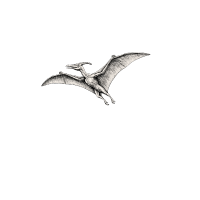
Protoceratops was a sheep-sized plant-eating herbivorous dinosaur that lived during the Late Cretaceous Period about 71 to 75 million years ago. It had a parrot-like beak and strong rows of teeth for eating tough plants, and a bony frill on the back of its head that may have protected its neck.
A famous fossil from Mongolia shows a Protoceratops locked in combat with a Velociraptor, suggesting the predator was attacking before both were buried by a sudden landslide. They lived in small herds.
- Type of dinosaur: Herbivorous ceratopsian
- Period: Late Cretaceous
- Where found: Mongolia
- Length: About 1.8 meters (6 feet)
Spinosaurus
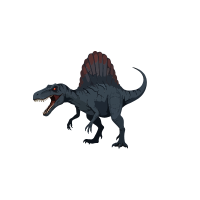
Spinosaurus was a giant and very unique meat-eating dinosaur of the Late Cretaceous Period and lived almost 112 to 93 million years ago, growing up to 15 metres (49 ft.) long and weighing around 23 metric tonnes—even larger than Tyrannosaurus Rex.
Its name means “spine lizard” due to the large sail on its back, made of elongated spines covered with skin with long crocodile-like snouts. Scientists believe the sail helped it warm up quickly, giving it an advantage while hunting with conical teeth.
- Type of dinosaur: Theropod, spinosaurid
- Period: Early to mid-Cretaceous
- Where found: North Africa
- Length: Approximately 15-18 meters (49-59 feet), recent estimates suggest it might have been the largest of all known carnivorous dinosaurs
Stegoceras
Stegoceras was a small, bipedal plant-eating dinosaur from the Late Cretaceous Period in North America. It was about 2 metres (6.5 ft.) long and 0.75 metres (2.5 ft.) tall.
It belonged to the pachycephalosaurians, known as “dome-headed dinosaurs”, with a very thick skull. Stegoceras likely lived in herds.
- Type of dinosaur: Pachycephalosaurid (dome-headed dinosaur)
- Period: Late Cretaceous
- Where found: North America
- Length: About 2 meters (6.5 feet)
Suchomimus
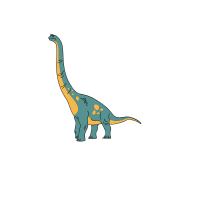
Suchomimus was a meat-eating dinosaur from the Early Cretaceous Period in Africa. It belonged to the Spinosauridae family and was a relative of Spinosaurus.
Like its relative, Suchomimus had a spiny sail on its back and a long, crocodile-like snout for catching fish.
- Type of dinosaur: Theropod, spinosaurid
- Period: Early Cretaceous
- Where found: Niger, Africa
- Length: About 11 meters (36 feet)
Tarbosaurus
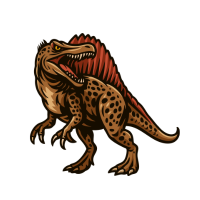
Tarbosaurus was a fearsome predator and a close relative of Tyrannosaurus Rex. It had powerful jaws, sharp teeth, and tiny arms, with a massive head and strong legs that made it the apex predator of its ecosystem.
- Type of dinosaur: Theropod
- Period: Late Cretaceous (around 70 million years ago)
- Where found: Asia (especially Mongolia)
- Length: Up to 40 feet (12 meters)
Triceratops
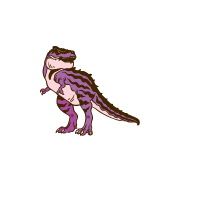
Triceratops means “three-horned face”. This large, herbivorous dinosaur lived in western North America during the Late Cretaceous Period and may have lived in herds.
With its heavily built body and three horns, Triceratops could defend itself against predators like Tyrannosaurus and Albertosaurus.
- Type of dinosaur: Herbivorous ceratopsian
- Period: Late Cretaceous
- Where found: North America
- Length: Approximately 8-9 meters (26-30 feet)
Troodon
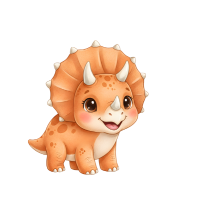
Troodon was a small, bird-like dinosaur from the Late Cretaceous Period, about 2 metres (6.5 ft.) long.
It had sharp teeth, clawed fingers, and a sickle-shaped claw on each foot, making it a fast, agile, and intelligent predator with excellent eyesight.
- Type of dinosaur: Theropod, dromaeosaurid
- Period: Late Cretaceous
- Where found: North America
- Length: About 2-2.4 meters (6.5-8 feet)
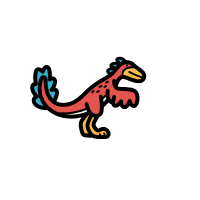
Utahraptor
Utahraptor was a large, carnivorous raptor with a sickle-shaped claw on each foot. Much bigger than Velociraptor, it likely used its claws to pin prey while delivering fatal bites with sharp teeth.
- Type of dinosaur: Dromaeosaurid
- Period: Early Cretaceous (around 124 million years ago)
- Where found: North America (Utah)
- Length: About 23 feet (7 meters)
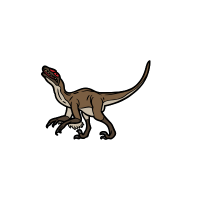
Velociraptor
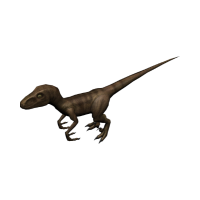
Velociraptor was a small, bird-like predator of the Late Cretaceous Period. Its name means “swift plunderer” with a 6-foot-long skeleton.
It had sharp teeth, claws, and a large curved claw on each foot for slashing and holding prey, due to which it became a strong and agile carnivore. Unlike movies, it was smaller and likely feathered and roamed the sand dune fields of the ancient Gobi Desert.
- Type of dinosaur: Theropod, dromaeosaurid
- Period: Late Cretaceous
- Where found: Mongolia and China
- Length: Approximately 2 meters (6.5 feet) from head to tail
Conclusion
Studying dinosaurs helps us understand evolution, ecosystems, and the history of life on Earth, and to learn them is very easy. They continue to fascinate scientists and the public alike, inspiring discoveries and imagination. This whole article is about the dinosaurs, their names and discoveries.
Read More: